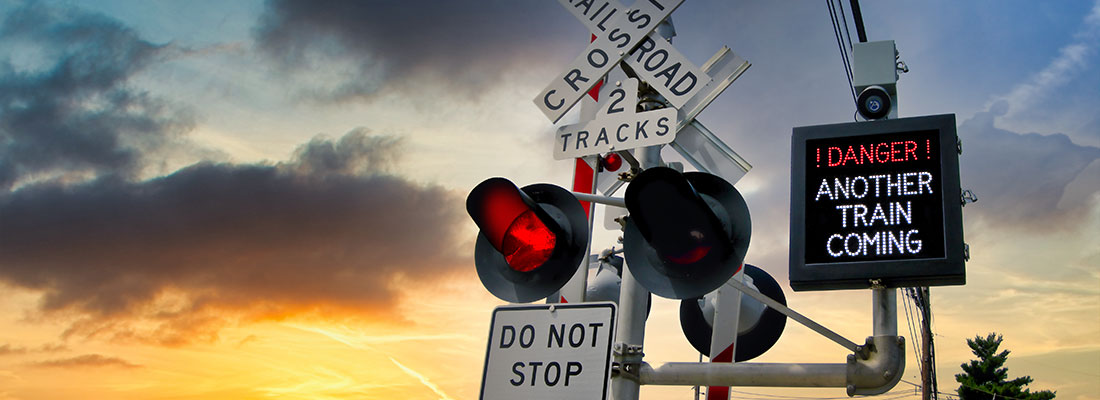
When it comes to roadway safety, visibility is not optional. Visibility is the difference between smooth navigation and sudden confusion. That’s where illuminated signage earns its keep, especially regarding Section 130, a critical federal program focused on reducing accidents at railway-highway crossings. Understanding how illuminated signage enhances compliance with the program can help agencies, contractors, and planners make smarter infrastructure decisions.
What Section 130 Is and Why It Matters
Section 130 is a federal safety initiative designed to improve conditions at public railway-highway crossings. Its primary goal is simple: reduce collisions, injuries, and fatalities. Funding supports upgrades, such as gates, signals, pavement markings, and signage.
But there’s a catch: none of those improvements matter if drivers can’t see or understand them in time. That’s where illuminated signage steps in, acting as the visual translator between infrastructure and human reaction time.

Read About
Another Traffic Initiative Aimed to
Reduce Traffic Fatalities
Visibility Problems at Crossings
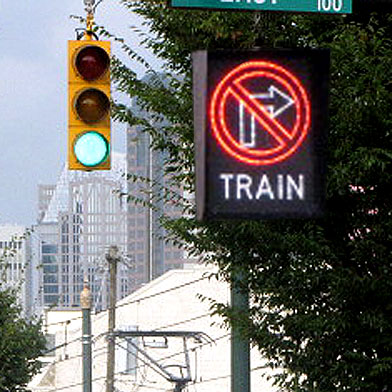
Rail crossings are uniquely dangerous because they combine:
- Vehicle traffic
- Large, moving trains
- Pedestrians and cyclists
- Limited stopping distances
- Sometimes, poor lighting conditions
Standard reflective signs can only do so much. In low-light environments, bad weather, or areas with visual clutter, they fade into the background. This creates a compliance gap, where safety measures exist but don’t perform at full effectiveness.
How Illuminated Signage Strengthens Section 130 Compliance
1 – Enhanced Driver Awareness
Illuminated signs cut through darkness, fog, rain, and snow like a lighthouse for drivers. Instead of relying solely on headlights, these signs actively enhance visibility with a byproduct being increased reaction time.
This directly supports the program’s objectives by:
- Increasing reaction time
- Reducing missed warnings
- Improving driver decision-making
2 – Consistent Performance in All Conditions
Unlike reflective materials that depend on external light, illuminated signage provides its own. Whether it’s midnight or a blizzard, the message remains clear.
For agencies working under the initiative, this consistency ensures that safety upgrades are effective 24/7, not just under ideal conditions.
Discover
Signal-Tech’s LED Railway Signs
and Solutions
3 - Clear Communication of Critical Messages
At crossings, ambiguity is dangerous. Drivers need instant clarity:
- Do I stop or proceed?
- Are the tracks active or inactive?
- Are the gates malfunctioning?
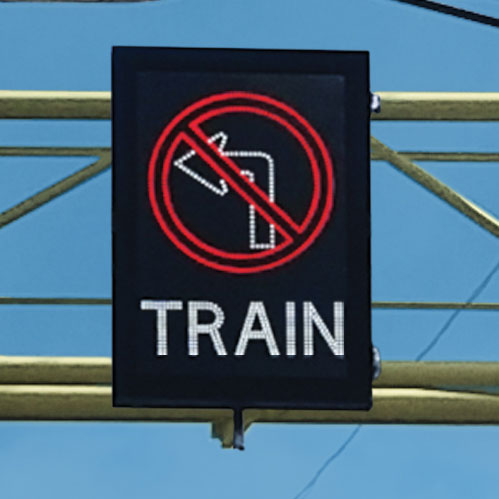
Illuminated message signs can display dynamic and highly legible instructions that eliminate guesswork. This aligns perfectly with the program’s goals of reducing confusion at high-risk intersections.
4 – Increased Driver Compliance
Drivers don’t know what they don’t know, and they ignore the warnings they don’t see. Illuminated signage commands attention. Bright, high-contrast visuals trigger faster cognitive processing, which leads to better compliance with posted warnings.
In the context of Section 130, this translates into:
- Fewer violations
- Reduced risky behavior
- Improved overall safety outcomes
5 – Integration with Modern Safety and Traffic Control Systems
Illuminated signs don’t have to operate in isolation. They can integrate with:
- Train detection systems
- Traffic signals
- Smart infrastructure networks
This enables real-time updates and automated warnings, reinforcing initiatives by leveraging technology that adapts to live conditions rather than relying solely on static measures.

Download
Signal-Tech’s Rail & Transportation
Brochure
Where Illuminated Signs Have the Greatest Impact
Not all crossings are created equal. Illuminated signage is especially valuable in:
- Rural areas with limited ambient lighting
- Urban zones with heavy visual distractions
- High-speed roadways with short reaction windows
- Crossings with a history of incidents
Deploying illuminated solutions in these environments helps agencies maximize the effectiveness of Section 130 funding.
Cost vs. Safety: A Practical Perspective
Some decision-makers hesitate due to upfront costs. That’s fair trepidation, but here’s the reality — the cost of a single serious accident dwarfs the investment in illuminated signage.
Illuminated signage:
- Reduces liability
- Extends visibility lifespan
- Requires minimal maintenance with long-life LEDs
From a long-term standpoint, it’s not an expense. It’s risk management with a measurable return, especially when tied to safety goals.
Best Practices for Implementing Illuminated Signage
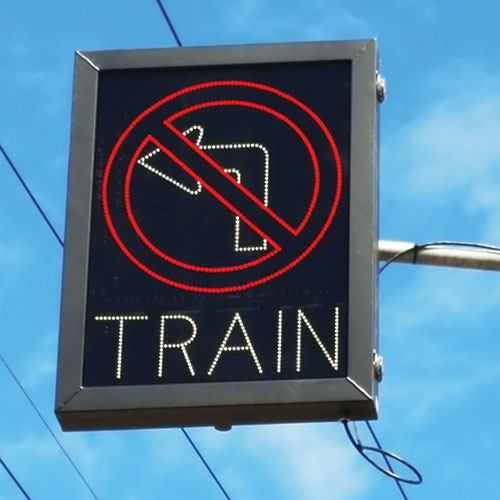
To get the most out of illuminated signage under Section 130, here are a few guidelines from the U.S. Department of Transportation’s Federal Highway Administration:
- Prioritize high-risk crossings first
- Use high-contrast, legible fonts and symbols
- Ensure proper placement for maximum visibility distance
- Integrate with existing warning systems when possible
- Regularly inspect and maintain for peak performance
Learn Why
Safer Crossing Start with an LED
Railroad Advance Warning Sign
Clearer Signals, Safer Crossings: The Impact on Section 130
This federal safety program aims to reduce danger at road-railway intersections. Illuminated signage doesn’t just support that mission; it amplifies it.
It turns passive warnings into active signals. It transforms visibility from “good enough” to unmistakable. And most importantly, it gives drivers the time they need to make the right decision. In safety, clarity wins — every time.
Ready to improve safety and compliance with illuminated signage? Request a quote or contact our sales team with questions or to move your project forward.