As we begin 2026, one thing is crystal clear: the demand for LED signage isn’t just evolving; it’s sprinting forward. Across every market we serve — from parking garages and bank drive-thrus to sprawling warehouses and distribution centers — 2025 demonstrated the growing importance of LED signs for businesses. They’re no longer accessories sitting on the periphery of operations. They’re core infrastructure shaping safety, traffic flows, customer experiences, and operational efficiency. Here’s what stood out in a year where expectations went up, and LED signage kept pace.

Discover
All the Industries Signal-Tech Serves
Energy Efficiency Takes Center Stage
Facilities across all sectors are paying closer attention to power consumption, maintenance cycles, and long-term operating costs. This meant a significant shift toward running low-voltage LED signs for businesses, delivering high visibility with minimal energy consumption.
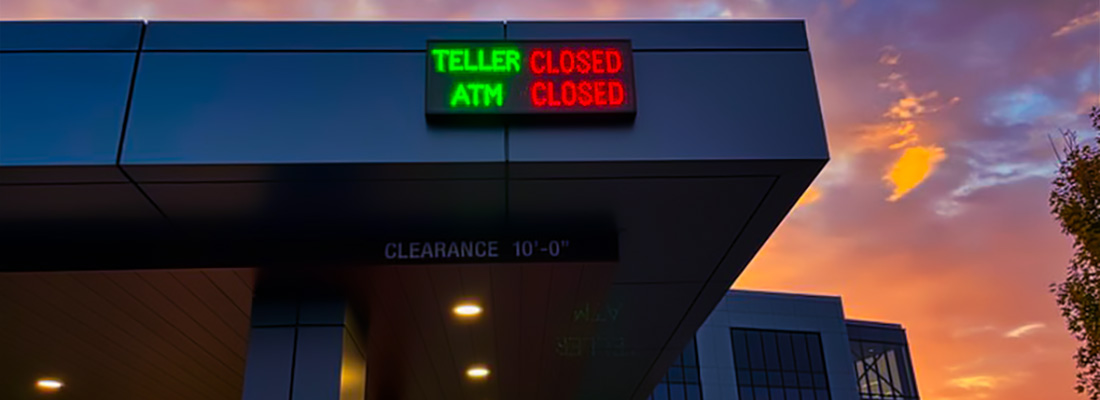
Bank and credit union drive-thrus made the most significant push for more energy-efficient options. In addition to wanting lower energy bills and fewer maintenance calls, their primary driver was the simplicity of installation of low-voltage signage.
Read Why
Choosing Low-Voltage LED Signs
Might Be a Smart Choice
Parking Operations are Getting Much Smarter with Full-Color LED Message Boards
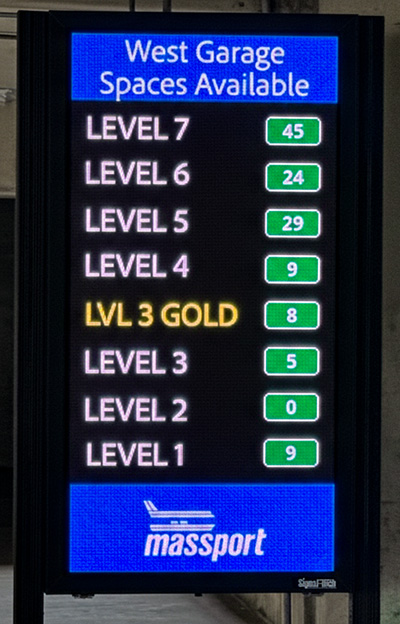
Parking operators, particularly at busy airports, large garages, and multifaceted transit hubs, are turning to full-color, video-message LED signage to manage complexity and enhance traffic flow. These dynamic LED signs for businesses instantly update to show real-time space availability, lane closures, pricing changes, or weather advisories — cutting congestion and eliminating the aimless circling that frustrates drivers.
When integrated with parking-management software, they enable real-time traffic routing — directing vehicles to specific levels or exits — reducing emissions from idling vehicles, easing pedestrian risk, and helping operators run smoother, more efficient lots. In short, for complicated parking facilities — such as airports, transit hubs, and multi-level garages — full-color LED video message boards are transforming signage into a flexible, responsive system.
Discover
Why Full-Color LED Parking Signs
are the Perfect Choice
Streets, Highways, and Light Railways are Prioritizing Highly Visible Signage
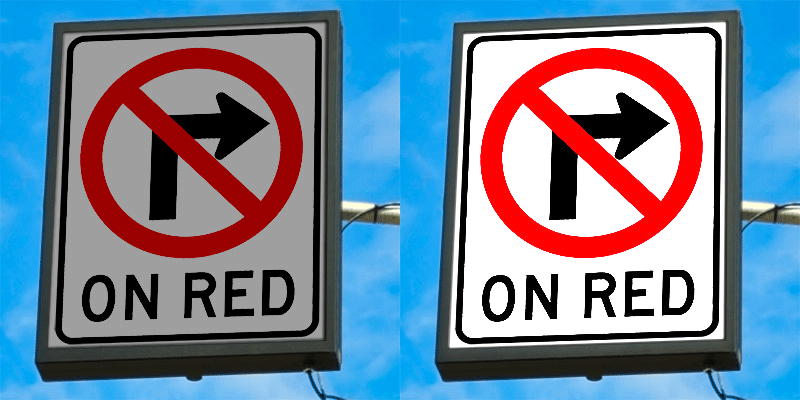
The need for highly visible, weather-resistant messaging drove the adoption of illuminated signage in streets, highways, and light rail environments. Departments of Transportation and other highway authorities, municipalities, and smart city projects are rethinking how to handle congestion, safety, and infrastructure sustainability. They’re doing so by replacing aging static signs and incandescent signs with internally illuminated LED signs, especially in areas with tight curves, at locations notorious for fog, or on roads with tricky merge points.
On the rail side, operators increasingly rely on LED signage to warn of approaching trains and communicate other real-time alerts. LED indicators at crossings and platforms react instantly to train movement, giving passengers and crews clearer, faster warnings. Their durability and consistency significantly reduce missed signals, thereby improving overall rail corridor safety.
Explore
Why Safer Crossings Start with an
LED Railroad Advance Warning Sign
LED Signs Are a Key Component of Safety Plans at Industrial Facilities
Industrial facilities aren’t chasing trends with LED signs for businesses — they’re using them to help embed safety into daily operations. Bright LED message boards provide real-time hazard alerts, equipment-status messages, and reminders of safe procedures, cutting through noise, low light, and worker fatigue. These signs act like silent, 24/7 safety coaches: reminding staff of lockout/tagout steps, highlighting changing workplace risks, or rotating positive messages like “Zero incidents this week” to reinforce safe behavior. In environments where split-second decisions matter, the difference between a static poster and a glowing LED warning can be the difference between a near-miss and a clean record.
Learn Why
LED Signs are the Unsung Hero
of Creating a Safety Culture
Healthcare Facilities are Reaping Illuminated Signage Benefits
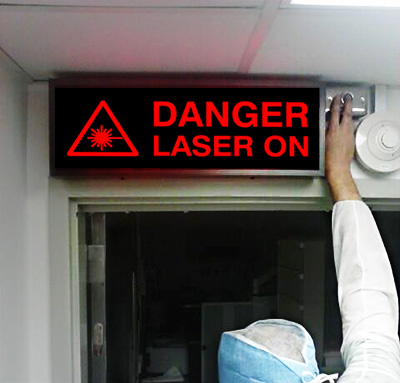
In 2025, medical facilities and healthcare sites showed that LED signs for businesses aren’t just about visibility — they also preserve privacy and streamline facility operations. In exam rooms and consultation suites, illuminated “In Use” LED signs eliminate interruptions by clearly indicating occupancy, helping staff avoid inadvertent entries. Beyond courtesy, these signs support regulatory compliance and patient comfort. By showing room status at a glance, they reduce distractions, reinforce confidentiality protocols, and improve workflows — especially in busy clinics handling many visits per day.
Read How
An LED In-Use Sign Enhances
Confidentiality in Exam Rooms
If there’s a single takeaway from 2025, it’s that LED signs for businesses have evolved far beyond their traditional role. They’ve become smarter, more energy-efficient, more durable, and far more integrated with the systems that keep facilities running. From garages and highways to bank lanes and industrial floors, LED signs stepped up as the workhorse technology that kept people informed and operations safe. If you want to learn more about how illuminated signage can help bolster efficiencies across the industries we serve, contact our knowledgeable sales team any time!